Colville Tribes Share Pasco Project Details with City Officials
 The Confederated Tribes of the Colville Reservation presented their proposed 160-acre Pasco Economic Development Project to the Pasco City Council on July 6, 2026, and the presentation outlined a large gaming facility along with a 200-room hotel, event center, restaurants, retail spaces, and supporting tourism infrastructure. This gathering marked the first public step in a broader process that would position the development as the tribe's fourth gaming property and the initial tribal casino in Washington's Tri-Cities region, while the project remains in its earliest regulatory phases. Council members received an overview of the land use plan, which covers 160 acres and integrates multiple revenue-generating and visitor-focused elements designed to operate together as a cohesive destination. The gaming facility forms the core component, yet the surrounding amenities receive equal attention in the submitted materials because they are expected to extend visitor stays and support year-round activity beyond gaming hours alone. Observers note that the July 6 meeting served primarily as an informational session rather than a formal approval hearing, which aligns with the current status of the proposal. The Confederated Tribes of the Colville Reservation have not yet advanced the site into the federal fee-to-trust process, nor have they completed the required Environmental Impact Statement or obtained the Record of Decision that would follow such a study. Governor concurrence also stands as a necessary milestone before any construction could begin. The absence of a draft Environmental Impact Statement at this stage means the public and regulatory agencies have not received detailed assessments of potential environmental effects, traffic patterns, or resource demands associated with the full build-out. Project representatives indicated during the presentation that these studies would commence once the fee-to-trust application moves forward, and they emphasized that all federal and state requirements must be satisfied before the development can proceed. Data from similar tribal projects across the Pacific Northwest shows that the fee-to-trust transfer often takes several years when the land lies outside existing reservation boundaries, and the Colville proposal follows that established pattern. The 160-acre parcel sits within the Pasco city limits, which introduces additional layers of local zoning review alongside the federal process. Community stakeholders who attended the July 6 session heard descriptions of employment opportunities and visitor spending projections tied to the hotel, event center, and retail components, yet no binding agreements were discussed or voted upon during the meeting itself. City staff recorded the presentation for future reference while the council awaits further documentation from both the tribe and federal agencies. What's interesting is how the regulatory sequence structures the timeline, because each step builds directly on the previous one and cannot be bypassed. Completion of the Environmental Impact Statement must precede the Record of Decision, and only after that decision can the governor's concurrence be formally requested. The tribe has indicated it will coordinate with the Bureau of Indian Affairs on the fee-to-trust application, which serves as the foundational action for placing the land into trust status. Pasco officials confirmed that the city maintains no independent authority to approve or deny the gaming facility, since tribal gaming on trust land falls under federal jurisdiction through the Indian Gaming Regulatory Act. Local input nevertheless remains relevant for infrastructure planning, emergency services coordination, and any off-site improvements that may become necessary once the project advances. One study revealed that regional gaming markets in Washington have grown steadily over the past decade, with existing tribal properties demonstrating consistent visitation from both in-state residents and cross-border travelers. The Tri-Cities area currently lacks a tribal gaming option, which the Colville proposal aims to address through the planned facility and its supporting tourism infrastructure.
 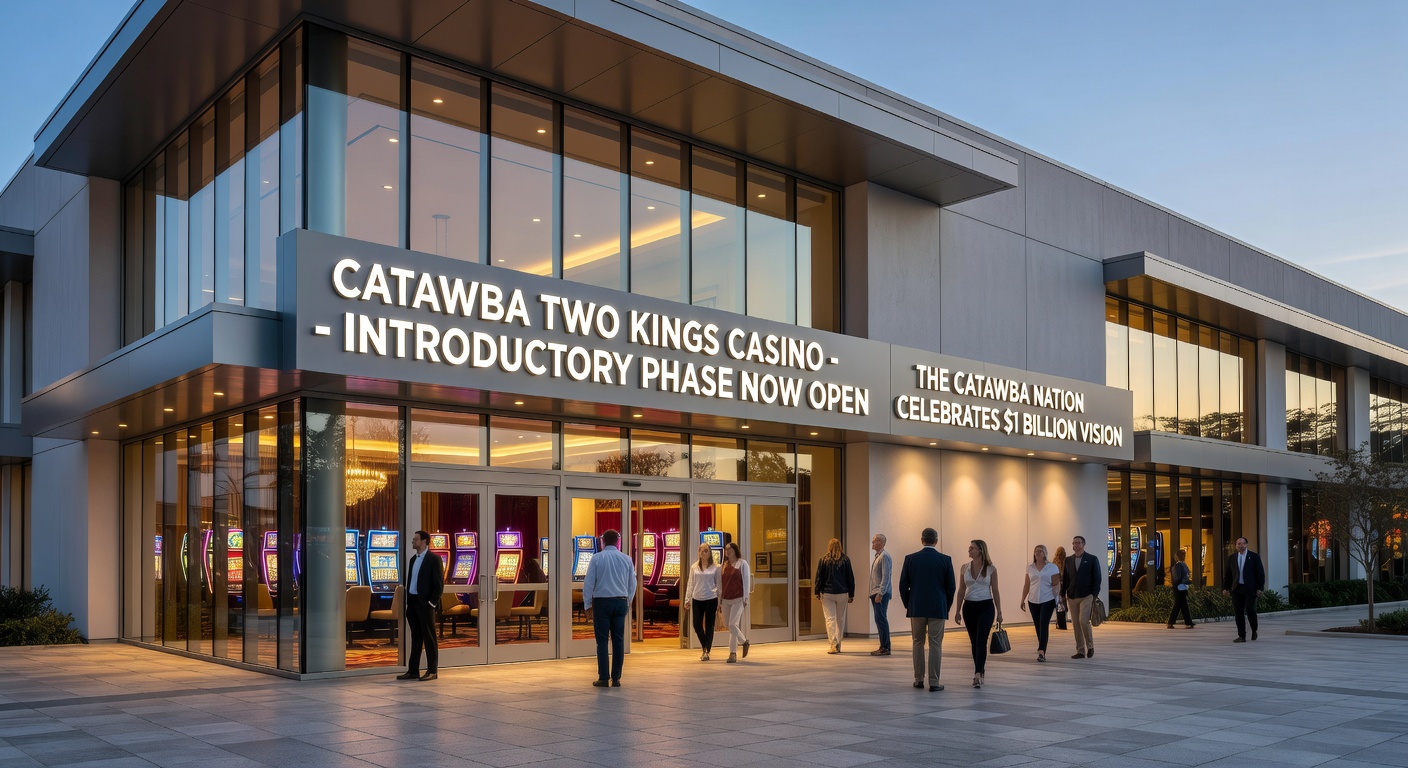 The 200-room hotel component received particular attention during the presentation because it is designed to accommodate overnight guests who might otherwise travel to other parts of the state for similar experiences. Event center specifications included flexible meeting and performance spaces intended to host conferences, concerts, and community gatherings, while the restaurant and retail areas are planned to draw both casino visitors and local residents. Those who've studied comparable developments note that integrated projects of this scale often require phased construction schedules to manage capital investment and operational ramp-up. The Colville presentation did not specify exact timelines or phasing details, leaving those elements for later stages once regulatory approvals are secured. According to information shared at the July 6 meeting, the Confederated Tribes of the Colville Reservation view the Pasco site as a strategic expansion that complements their existing gaming operations elsewhere in Washington. The addition would mark their fourth property and extend their presence into a new market area without overlapping directly with current facilities. The reality is that the proposal now enters a period of extended review, during which federal agencies will evaluate land status, environmental impacts, and compliance with the Indian Gaming Regulatory Act. No draft Environmental Impact Statement has been released yet, and none is expected until the fee-to-trust application receives formal acceptance. City council records show that the presentation concluded with an invitation for further dialogue once additional studies become available, and staff were directed to monitor progress on the federal side. Pasco residents and businesses can expect periodic updates as the project moves through the required sequence of approvals.