Cross-Border Regulatory Shifts Reshaping Bonus Structures in Hybrid Reel and Table Environments

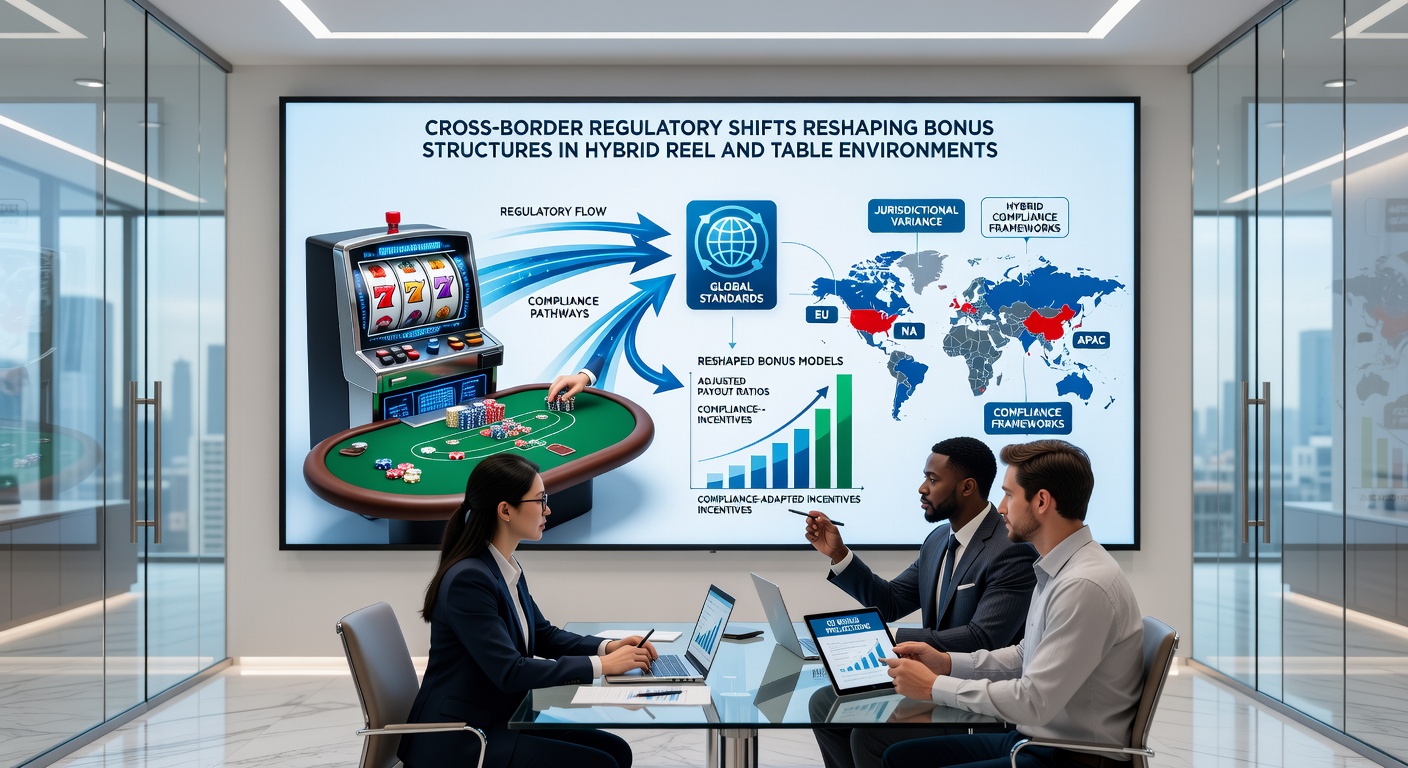
Regulatory frameworks crossing national boundaries have started altering how operators structure bonuses within environments that blend reel-based games with table offerings, and these adjustments appear in mobile platforms where players switch between automated spins and live dealer sessions without leaving a single account interface. Jurisdictions in Europe and Asia have introduced measures that cap promotional values or modify wagering multipliers when accounts operate across multiple licensing regimes, while data from 2025 shows operators adjusting terms to maintain compliance without disrupting player access.
Changes in licensing conditions force platforms to recalculate bonus eligibility based on a user's detected location at the time of claim, and this creates layered structures where the same promotion carries different requirements depending on whether the session originates from a European Union member state or an Asian market with stricter payout caps. Hybrid setups, which integrate reel mechanics alongside table elements in one continuous session, receive particular scrutiny because regulators view them as single environments that could mask higher-risk promotional flows.
Regional Policy Adjustments Driving Structural Changes
European authorities have coordinated on cross-border data sharing protocols that require operators to report bonus redemption patterns spanning more than one license, and this reporting obligation has prompted companies to introduce tiered wagering rules that scale according to the number of jurisdictions involved in a single player profile. In parallel, Australian regulators updated their remote gambling guidelines in late 2025 to address promotional offers that flow into markets where table game bonuses face tighter scrutiny than reel-only incentives.
Operators respond by segmenting bonus pools so that hybrid environments receive separate allocation formulas, and research indicates these formulas often reduce the maximum convertible amount when a session includes both reel spins and dealer interactions. Figures from industry monitoring groups reveal that average bonus values in such mixed settings dropped by approximately 18 percent in markets with active cross-border agreements during the first quarter of 2026.
Mechanics of Bonus Recalibration in Hybrid Settings
Hybrid reel and table platforms now embed location-aware triggers that pause or modify active bonuses when a player crosses into a new regulatory zone, and this technical layer ensures compliance while preserving session continuity. Wagering contributions from table elements receive different weighting than reel contributions under several updated frameworks, because regulators classify table outcomes as carrying distinct risk profiles that affect promotional integrity.
One study released by an academic research center in Canada tracked how these weighting systems alter player progression toward loyalty thresholds, and the findings showed slower accumulation rates when bonuses must satisfy multiple jurisdictional rules simultaneously. Operators have introduced automated reconciliation tools that recalculate remaining wagering needs in real time, and these tools draw on shared regulatory databases to apply the strictest applicable standard when conflicts arise.
Operational Responses and Compliance Tools
Companies managing cross-border traffic have expanded their use of geofencing combined with account-level bonus ledgers, and this combination allows them to apply region-specific caps without fragmenting teh player experience across separate applications. Data shared through industry associations demonstrates that platforms adopting these ledgers reduced compliance incidents by nearly 30 percent between May 2025 and May 2026.
Payment processors integrated into these environments now carry flags that pause bonus releases until location verification completes, and this step prevents accidental violations when players move between jurisdictions mid-session. Observers note that the added verification steps have lengthened average claim processing times by a few seconds, yet overall redemption volumes have remained stable because players receive clearer pre-claim disclosures about applicable terms.
Outlook Through Mid-2026
Additional coordination meetings scheduled for May 2026 among regulators from multiple continents are expected to produce further guidance on promotional mechanics in environments where reel and table features operate together, and early drafts suggest emphasis on transparent contribution percentages that travel with the player across borders. Industry reports indicate operators are already testing dynamic bonus engines that adjust parameters based on live regulatory feeds, and these engines aim to maintain engagement levels while satisfying the evolving rule sets.
Conclusion
Cross-border regulatory developments continue to influence how bonuses function inside hybrid reel and table platforms, and the resulting structures reflect a balance between compliance demands and operational continuity. Data collected through 2026 shows measurable shifts in bonus sizing and wagering mechanics, while technical adaptations help platforms manage location-based requirements without interrupting player sessions. These patterns point toward increasingly standardized yet jurisdiction-aware promotional systems that operators will refine as new agreements take effect.