Deciphering Algorithmic Patterns Behind Loyalty Tier Advancements in Smartphone-Based Gaming Environments

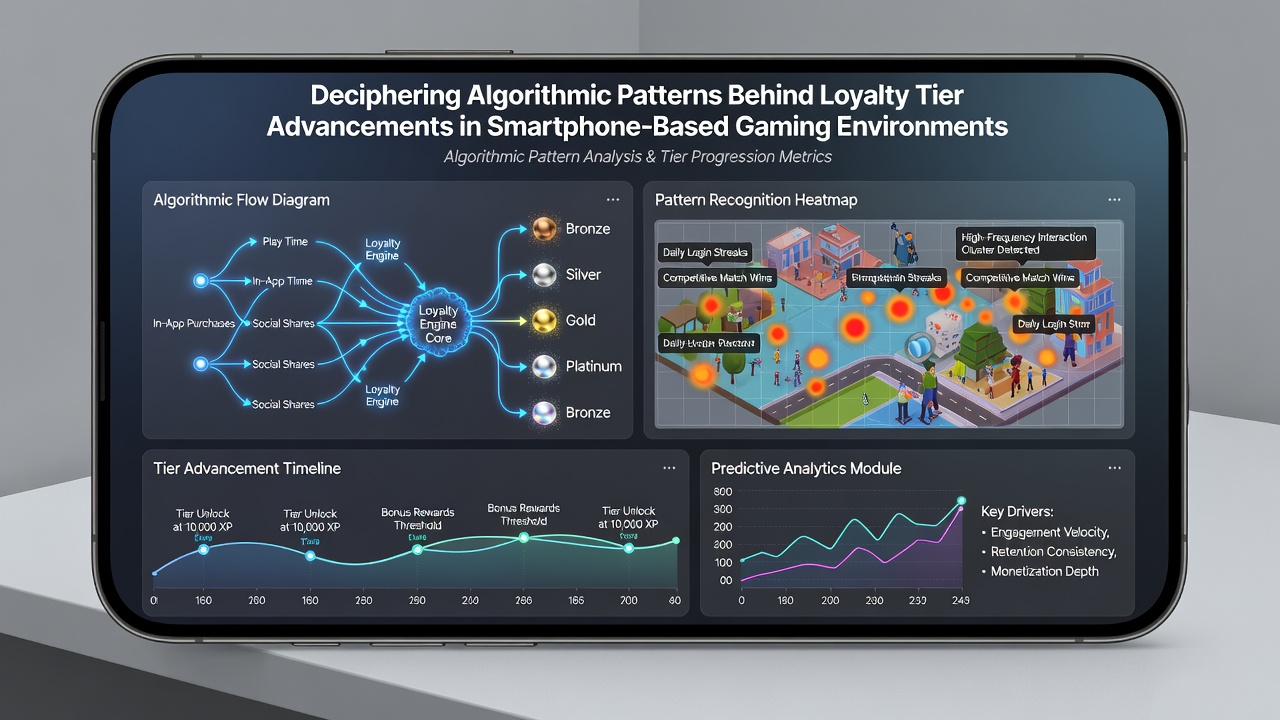
Smartphone gaming platforms rely on complex algorithmic systems that process player data to determine loyalty tier advancements, and these mechanisms integrate metrics such as session duration, in-app purchase frequency, social engagement levels, and retention streaks into predictive models that calculate progression thresholds. Researchers at institutions tracking mobile entertainment trends note that developers deploy machine learning frameworks to identify patterns where consistent daily logins combined with moderate spending trigger automatic tier elevations, whereas sporadic activity often delays advancement until specific behavioral benchmarks appear in the dataset.
Core Data Inputs Driving Tier Calculations
Algorithms in these environments collect variables from user interactions that include total playtime accumulated across multiple titles, completion rates for daily challenges, and participation in community events, then feed this information into scoring engines that assign points toward tier qualification. Data from industry reports indicates that systems prioritize weighted combinations where recent activity receives higher emphasis than historical patterns, which allows platforms to adjust tier status dynamically based on shifts in engagement velocity. Observers note that cross-device synchronization ensures metrics remain consistent whether players access games on tablets or phones, creating unified profiles that reflect activity across an entire ecosystem rather than isolated sessions.
Machine Learning Models and Progression Triggers
Developers implement supervised learning techniques that train on historical user cohorts to forecast when individuals will reach advancement milestones, and these models incorporate decision trees alongside neural networks to detect subtle correlations between spending velocity and tier jumps. According to analyses shared by the Entertainment Software Association, patterns emerge where players who complete at least 70 percent of available quests within a seven-day window advance more rapidly than those focused solely on competitive modes. The systems also factor in external variables such as app update cycles and seasonal events that temporarily modify point multipliers, which in turn accelerates or decelerates progression for entire user segments simultaneously.
Behavioral Segmentation Within Algorithms
Segmentation engines divide players into clusters based on spending habits and interaction styles, then apply tailored rules that govern how quickly each group moves through loyalty levels. One documented approach uses clustering algorithms to separate high-frequency spenders from those who engage primarily through free content, with the former group receiving accelerated point accrual rates once initial thresholds are met. Studies conducted by European research consortia reveal that social connectivity metrics, such as inviting friends or joining guilds, serve as secondary accelerators that compound with core activity data to push users into elevated tiers without requiring additional purchases.
Regional Variations in Algorithmic Implementation
Platforms operating in different jurisdictions adapt their loyalty algorithms to align with local regulatory frameworks and market preferences, which results in distinct progression curves across geographic regions. In markets where regulatory bodies emphasize consumer protection, systems incorporate cooldown periods that prevent rapid tier climbs following large spending events, while other areas allow continuous accumulation without such restrictions. Reports from the Interactive Games and Entertainment Association in Australia highlight how localized data centers process regional user information separately to maintain compliance while still feeding aggregated insights back into global model refinements.
Anticipated Developments Around June 2026
Industry observers anticipate that updates scheduled for implementation around June 2026 will introduce enhanced real-time analytics capabilities that permit algorithms to recalibrate tier requirements mid-cycle based on aggregate platform performance indicators. These modifications could incorporate feedback loops from live A/B testing environments, enabling developers to refine point allocation formulas without requiring full system redeployments. Data released by academic research groups studying digital entertainment suggests such iterative adjustments will become standard as computational resources expand and datasets grow more granular through improved device sensors and cloud connectivity.
Conclusion
Algorithmic frameworks governing loyalty tier advancements in smartphone gaming continue to evolve through integration of broader datasets and refined modeling techniques, and stakeholders across development and research communities track these changes to understand their effects on user retention and platform economics. Patterns identified in current systems provide foundations for future iterations that balance engagement incentives with sustainable progression structures across diverse player populations.