Encryption Standards Powering Fluid Shifts from Slots to Live Dealer Games on Mobile Devices
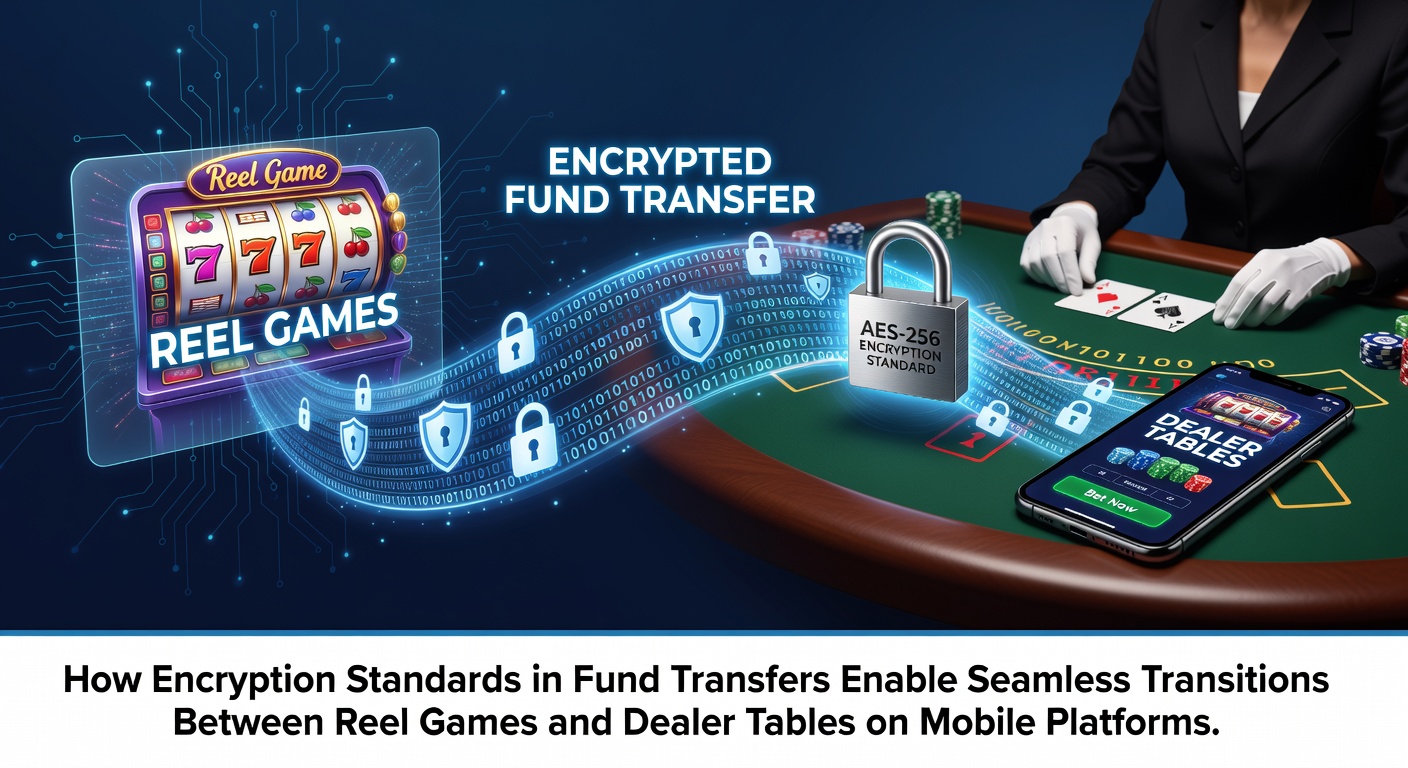
Modern mobile gaming platforms rely on advanced encryption protocols to handle fund transfers that let players move between reel-based games and live dealer tables without interruption or security gaps. Data shows these standards maintain transaction integrity across different game formats while users switch devices or sessions on the same app.
Core Encryption Methods in Gaming Transactions
Researchers note that AES-256 encryption combined with TLS 1.3 forms the backbone for protecting payment data during transfers, and this combination supports instant balance updates when players leave a slot machine session to join a blackjack table. Studies from cybersecurity firms indicate that end-to-end encryption prevents interception points that once slowed down cross-game movements on mobile networks.
Observers point out that tokenization layers add another safeguard by replacing sensitive card details with unique identifiers that update in real time as funds shift between game types. This setup allows seamless credit application whether a user spins reels or places bets with a live croupier seconds later.
Role of Secure Protocols in Mobile Transitions
Figures from industry reports reveal that platforms using these standards process fund movements in under three seconds on average, enabling players to maintain continuous play across reel and dealer environments. The same data highlights how encrypted channels sync wallet balances across different game servers without requiring separate logins or reloads.
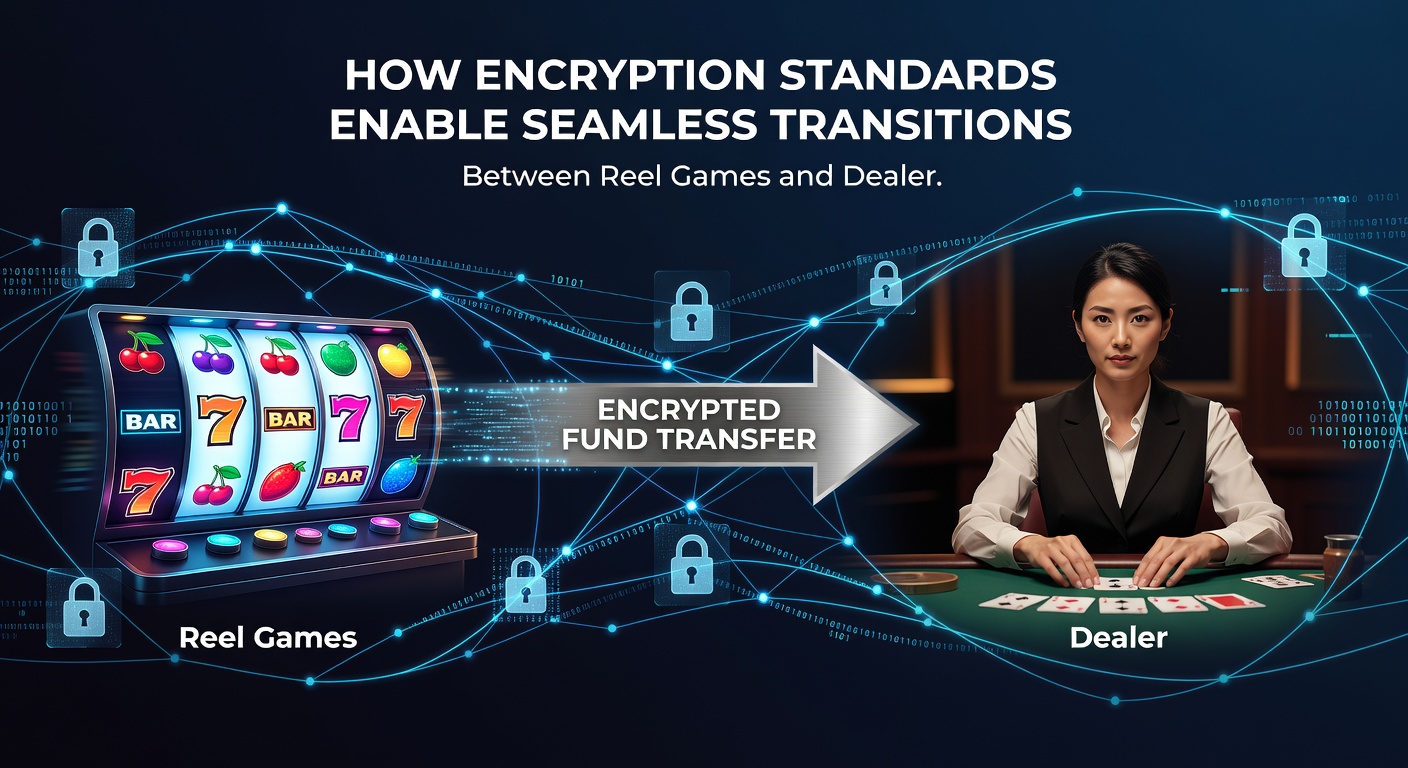
What's interesting is the way biometric authentication ties into these encrypted transfers, letting users confirm moves between game modes with a fingerprint or face scan that the system validates instantly. Those who've examined the architecture note that such integration reduces friction points that previously forced players to exit one game type before accessing another.
Regulatory and Technical Alignments by Mid-2026
According to updates tracked by the National Institute of Standards and Technology, enhanced guidelines for post-quantum encryption elements are scheduled for broader rollout in June 2026, and these changes aim to future-proof fund transfers on mobile platforms that support both reel and dealer content. The adjustments build on existing TLS frameworks to handle increasing transaction volumes without compromising speed.
Evidence from testing environments shows that platforms adopting these evolving standards maintain consistent performance when players alternate between automated reel spins and interactive dealer sessions. Data indicates fewer dropped connections occur during encrypted balance transfers as a result.
Practical Impacts on Player Movement and Platform Operations
Case examples from operators demonstrate that encrypted fund pathways support loyalty point accumulation across game categories, so rewards earned on reels carry over directly to dealer tables through the same secure channel. This connectivity stems from unified encryption keys that track activity without exposing underlying financial details.
People familiar with backend systems explain that real-time reconciliation happens through encrypted APIs that link different game engines, allowing a single wallet to serve both reel and live formats on handheld devices. The result appears in faster session starts and fewer interruptions when users decide to switch formats mid-play.
Security Metrics Across Regions
Research compiled by the European Union Agency for Cybersecurity indicates mobile gaming apps with strong encryption standards report lower incident rates during cross-format fund moves compared to older setups. These metrics cover operations in multiple jurisdictions and focus on transfer reliability between reel and dealer modules.
Additional findings show that encryption overhead has decreased over recent years due to hardware acceleration on modern smartphones, which helps platforms deliver consistent transition speeds regardless of network conditions. Observers note this technical progress supports wider adoption of hybrid reel-and-dealer mobile experiences.
Conclusion
Encryption standards continue to underpin the ability of mobile platforms to offer uninterrupted movement between reel games and live dealer tables through protected fund transfers. Data from multiple sources confirms that these protocols handle the technical demands of real-time balance updates and session continuity while meeting evolving security requirements. As standards advance into 2026, the infrastructure for such transitions stands to gain further efficiency without altering the core player experience.