Payment Efficiency as a Catalyst for VIP Elevation in Wireless Casino Environments
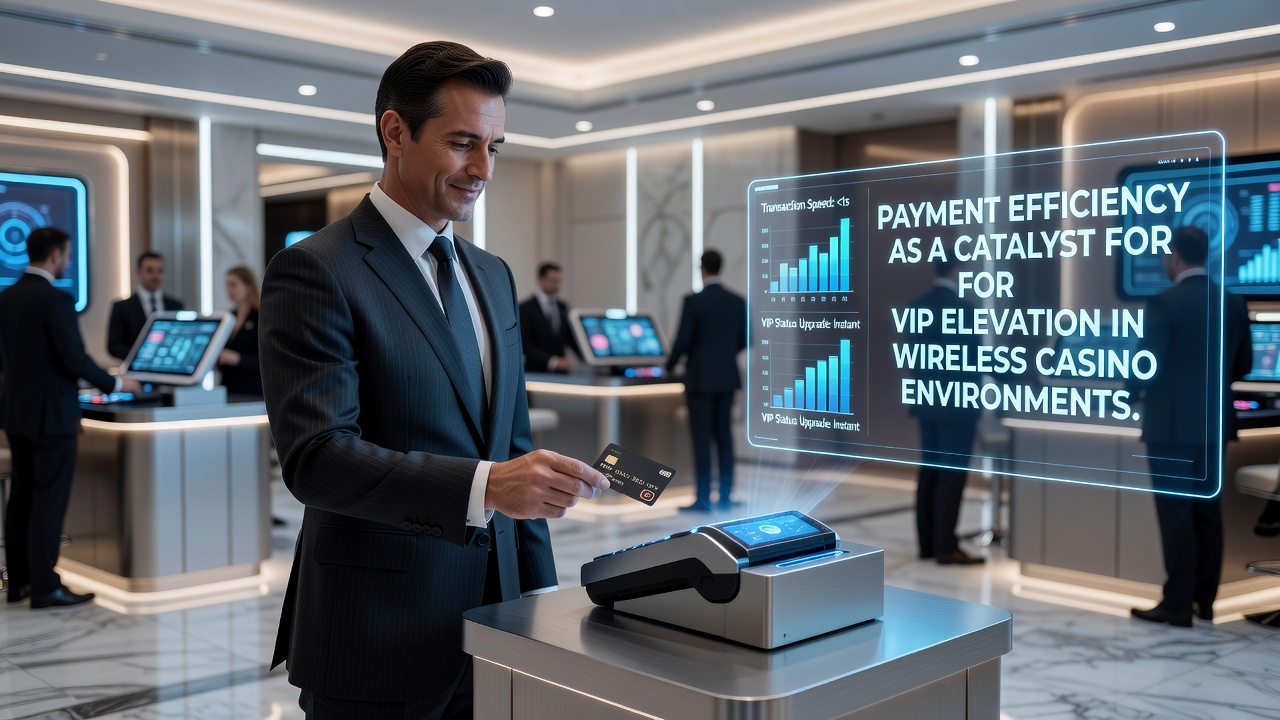
Wireless casino platforms operate through mobile networks that connect players directly to live dealer tables and reel games while payment systems handle deposits and withdrawals in real time. Observers note that faster transaction processing allows users to maintain continuous play sessions that accumulate loyalty points more rapidly than slower methods permit.
Data from industry reports show mobile gaming accounts for growing shares of total casino activity across multiple jurisdictions. Efficient payment channels reduce the time between funding an account and accessing games, which in turn supports steady progression through tiered reward structures.
Mechanics of Payment Processing in Wireless Settings
Wireless environments rely on encrypted connections that link player devices to casino servers through cellular or Wi-Fi networks. E-wallets and instant bank transfers complete authorization sequences in seconds rather than minutes, allowing immediate credit to gaming balances. Researchers have documented that these reduced latencies correlate with higher session durations because players avoid interruptions that previously occurred during manual verification steps.
Payment gateways integrated into mobile applications track every deposit amount alongside game activity. Loyalty algorithms assign points based on wager volume combined with transaction frequency. When processing times shorten, the same wagering activity generates points at an accelerated rate since funds remain available without delay.
Connection Between Transaction Speed and Loyalty Progression
VIP elevation depends on measurable criteria that include total deposits, withdrawal consistency, and overall engagement metrics. Payment efficiency directly influences two of these areas because quicker funding cycles enable repeated deposits within single sessions. Studies indicate platforms that process transactions under ten seconds record elevated rates of tier advancement compared with systems requiring manual approvals.
One documented pathway involves automated bonus releases triggered by deposit confirmations. Players receive free spins or matched credits immediately after successful transfers, which then convert into additional wagers that feed the loyalty calculation. This cycle repeats across multiple payment events, compounding the point totals that determine VIP status.

Regional Data and Regulatory Context
Figures released by the Nevada Gaming Control Board highlight steady increases in mobile transaction volumes through 2025, with projections extending into mid-2026. Regulatory frameworks in several U.S. states require secure payment protocols that simultaneously support audit trails and rapid player access. These standards ensure that efficiency gains do not compromise verification requirements.
Across the Asia-Pacific region, data compiled by the Casino Regulatory Authority of Singapore reveal similar patterns in handheld gaming adoption. Payment rails that integrate local banking systems with casino wallets show reduced abandonment rates during funding stages. Players maintain momentum toward loyalty thresholds because fewer transactions fail or require follow-up actions.
Technological Components Driving Efficiency
Tokenization methods replace sensitive card details with unique identifiers that mobile applications store securely. This approach shortens authentication sequences while maintaining compliance with data protection rules. Biometric confirmation further accelerates approvals by substituting passwords with fingerprint or facial recognition that completes in under two seconds.
Blockchain-based ledgers appear in select wireless platforms as an additional layer for transaction recording. Although adoption remains limited, these systems provide immutable logs that support both regulatory oversight and instant balance updates visible to players. Observers note that such transparency reduces disputes over credited amounts and supports uninterrupted progress toward VIP requirements.
Developments Expected by June 2026
Industry analysts project that standardized application programming interfaces for cross-platform payments will reach wider implementation by June 2026. These interfaces aim to unify wallet connectivity across different wireless casino operators, allowing players to transfer funds between environments without repeated verification steps. The resulting continuity could further compress the timeline from initial deposits to VIP recognition.
Academic research from institutions tracking digital payment adoption suggests that reduced friction in funding correlates with sustained engagement patterns. Wireless environments stand to benefit because mobile sessions already favor brevity and convenience over extended desktop play.
Conclusion
Payment efficiency functions as a measurable accelerator within wireless casino loyalty systems by shortening intervals between funding events and game participation. Data across multiple regions confirm that platforms optimizing transaction speed record higher rates of player movement through VIP tiers. As interface standards evolve toward June 2026, the relationship between rapid payments and loyalty advancement appears set to strengthen under existing regulatory frameworks that balance security with operational flow.