Seasonal Patterns Affecting Promotional Structures in Portable Gaming Applications
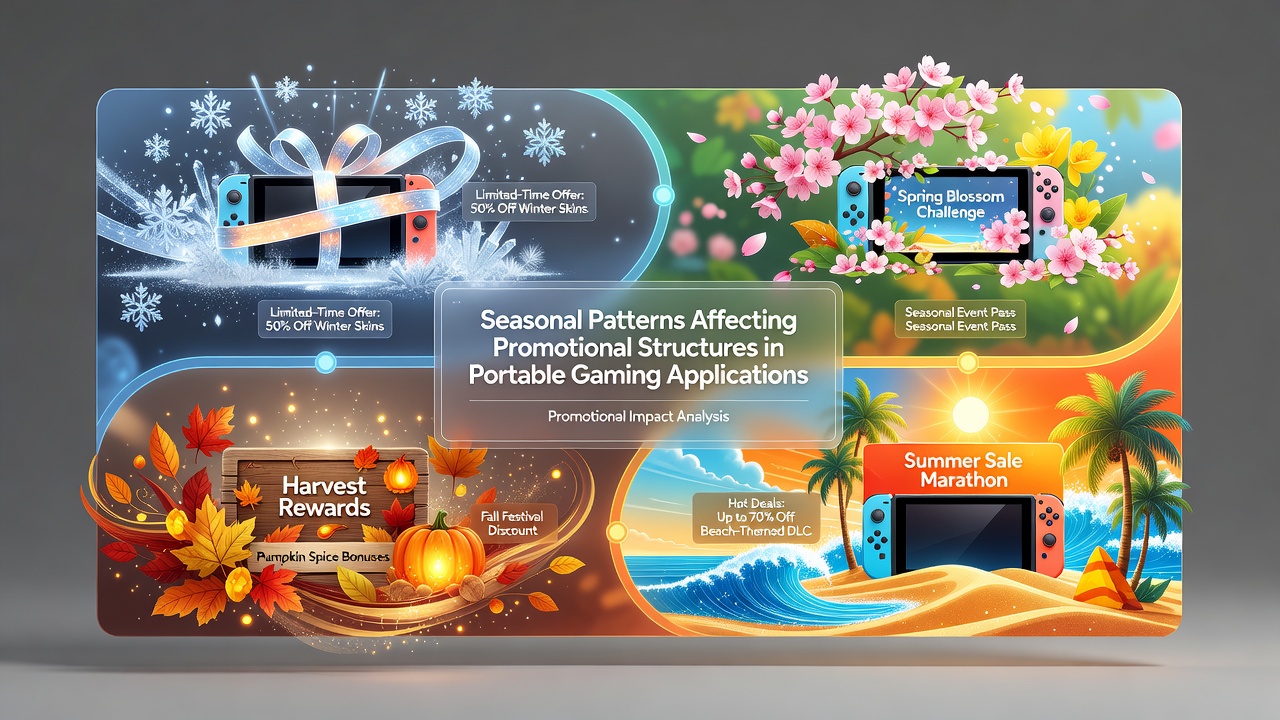
Portable gaming applications demonstrate clear seasonal fluctuations in their promotional frameworks, and developers adjust in-app offers, event timings plus reward structures to align with calendar shifts and user behavior data collected over multiple years. Research from industry analysts shows that download volumes and engagement metrics rise during winter months when users spend more time indoors, which leads companies to introduce limited-time bundles and holiday-themed rewards that expire within defined windows.
Winter Holiday Cycles and Reward Adjustments
December periods bring concentrated activity across many mobile titles, where developers layer daily login bonuses with escalating value, and they tie these offers to festive themes that encourage repeated sessions through New Year's. Data from multiple app marketplaces indicates that conversion rates for premium currency purchases climb notably during this stretch, prompting teams to cap certain deals at specific dates while extending others into early January to maintain momentum without overlapping spring campaigns.
Summer Engagement and July 2026 Trends
July stands out in 2026 because back-to-school preparations overlap with ongoing summer vacation patterns, and several major portable gaming platforms launch mid-year sales events that feature discounted battle passes alongside character customizations aimed at families planning extended play periods. Observers note that developers often synchronize these July pushes with regional weather data trends, releasing outdoor adventure modes in titles that reward consistent logins during travel seasons when users seek quick entertainment between activities.
Spring Renewal Campaigns and Tiered Offers
March through May sees a shift toward renewal mechanics, and companies introduce progression resets that pair with seasonal events such as flower festivals or sports tie-ins which refresh older user bases. According to figures released by the Interactive Games and Entertainment Association, mobile titles experience measurable spikes in social sharing features during these months, which developers leverage by adding referral rewards that scale with community participation levels.
Autumn Patterns and Transition Mechanics
Fall months create opportunities for bridge promotions that carry users from summer events into end-of-year planning, and analysts tracking app telemetry report that loot box probabilities or gacha rates receive temporary boosts tied to harvest or back-to-school motifs. These adjustments help stabilize revenue streams during periods when overall session lengths shorten due to academic schedules returning in many regions.
Geographic variations further shape these structures, while titles popular in North American markets emphasize Labor Day sales in September, and European releases often align with local harvest festivals that introduce region-specific cosmetics. Research compiled by the New Zealand Ministry of Business, Innovation and Employment highlights how cross-platform synchronization allows developers to test promotional variants across hemispheres simultaneously, refining global calendars based on localized response rates.
Technical Implementation of Seasonal Structures
Backend systems in portable gaming applications rely on timestamp triggers and user location data to activate seasonal content, and these tools let teams deploy updates that feel native rather than generic. Push notification sequences ramp up ahead of each cycle, delivering reminders about expiring offers that connect one promotional window to the next without abrupt drops in visibility.
Long-Term Data Trends Across Multiple Years
Longitudinal studies spanning five or more years reveal recurring patterns where promotional intensity peaks in Q4, dips slightly in Q1, and rebounds modestly during Q3 school transitions, and companies use this predictability to allocate marketing budgets accordingly. Those who monitor retention cohorts find that users acquired during holiday spikes often require tailored re-engagement offers in subsequent seasons to prevent churn once novelty fades.
Conclusion
Seasonal patterns continue to influence how portable gaming applications structure promotions, and ongoing refinement of these cycles depends on aggregated user metrics combined with external calendar events. Developers maintain flexibility in their frameworks so that reward hierarchies evolve alongside shifting player expectations across different times of year.